Is an Upright MRI More Comfortable for Patients with Anxiety?
Medical imaging is an important part of diagnosing many health conditions. Doctors often rely on MRI scans to view detailed images of the body without surgery. While MRI technology is very effective, many patients feel nervous about the procedure. Anxiety during medical tests is common, especially when people are unsure what to expect or worry about being in a confined space.
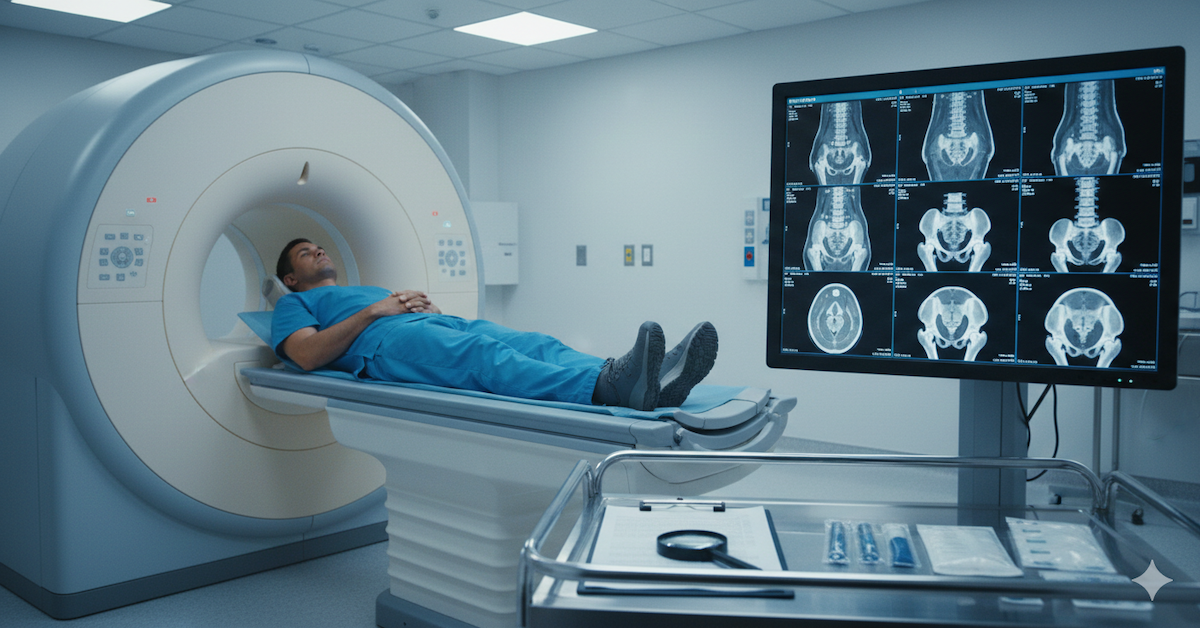
Traditional MRI machines require patients to lie inside a narrow tunnel while the scan takes place. For individuals who experience claustrophobia or anxiety, this environment can feel uncomfortable. The limited space, noise from the machine, and the need to stay still for a period of time may increase stress for some patients.
Quick Answer: Yes, an upright MRI can be more comfortable for patients with anxiety because the open design allows individuals to sit or stand instead of lying inside a narrow tube. This more open environment can reduce feelings of claustrophobia and help patients feel calmer during the scan.
Understanding MRI Scans
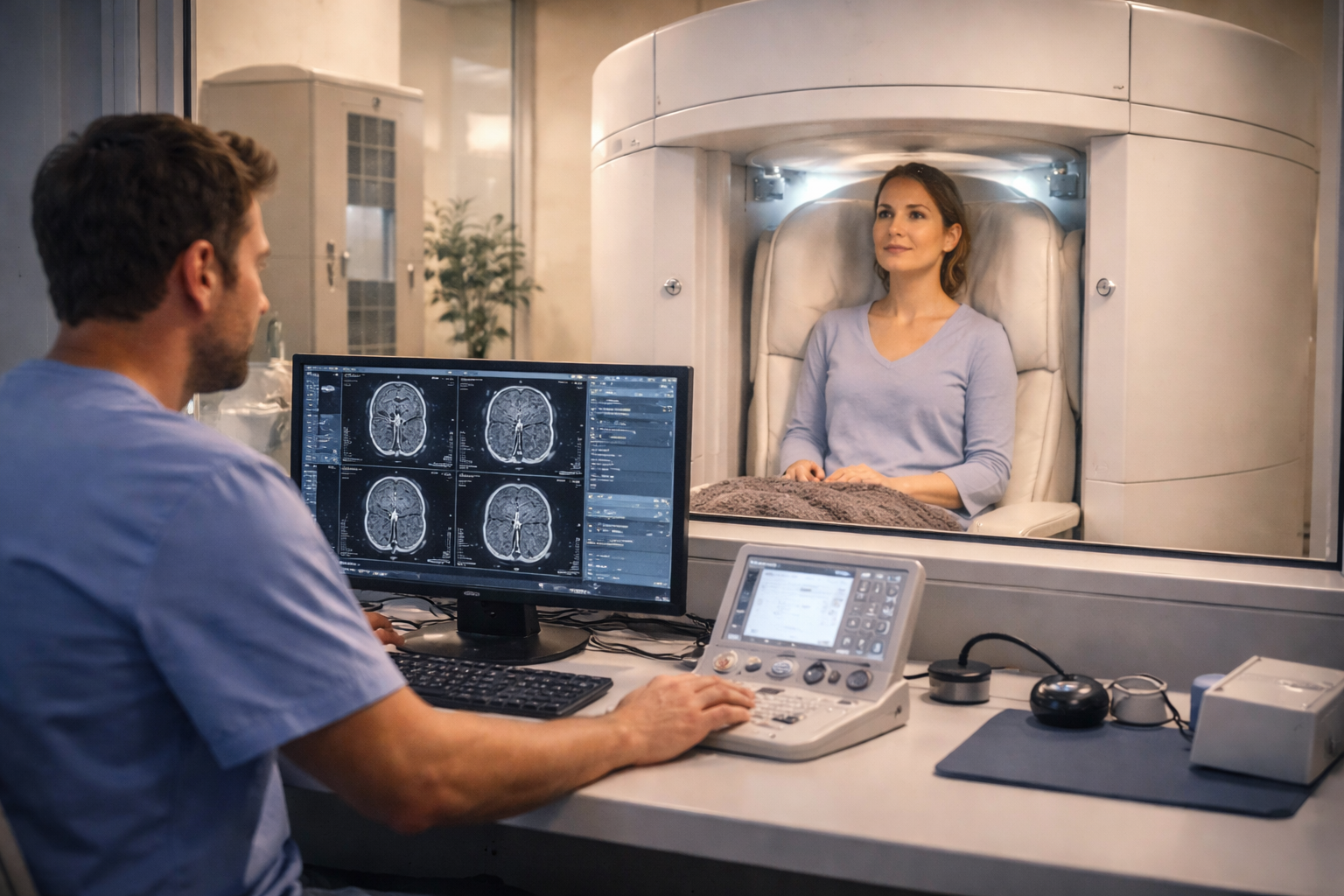
Magnetic Resonance Imaging, commonly known as MRI, is a diagnostic imaging technique used to create detailed pictures of the body's internal structures. MRI scans are often used to examine the brain, spine, joints, muscles, and organs.
Unlike X rays or CT scans, MRI machines use powerful magnets and radio waves to produce images. Because no radiation is involved, MRI is considered a safe and widely used imaging method.
Doctors may recommend an MRI to diagnose injuries, detect medical conditions, or monitor ongoing treatments. The images produced by MRI scans allow healthcare providers to see soft tissues with great clarity.
Why MRI Scans Can Cause Anxiety
Many patients feel anxious before or during an MRI scan. This reaction is understandable because the procedure may feel unfamiliar or intimidating.
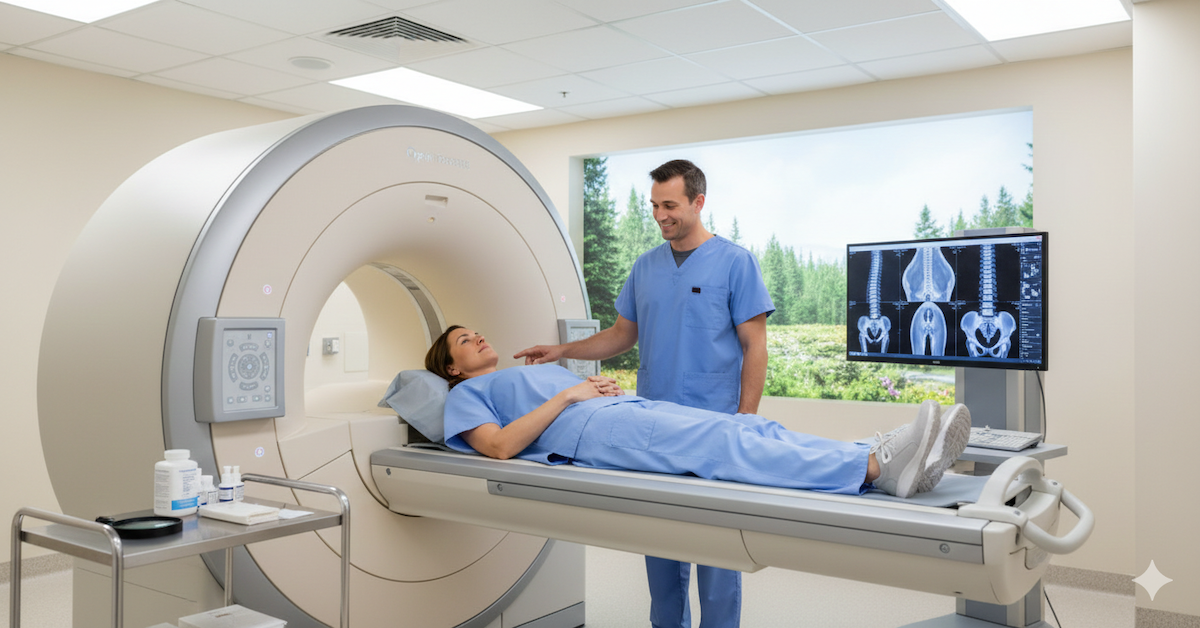
One of the main reasons for anxiety is the enclosed space of traditional MRI machines. Patients must lie on a table that slides into a tube like structure. For people who feel uncomfortable in tight spaces, this environment can trigger claustrophobia.
Another factor is the noise produced during the scan. MRI machines make loud knocking and buzzing sounds while capturing images. Although patients are usually given ear protection, the sounds can still be surprising.
Remaining still for the duration of the scan can also increase anxiety. Depending on the area being examined, the procedure may last between 20 and 60 minutes.
What Is an Upright MRI?
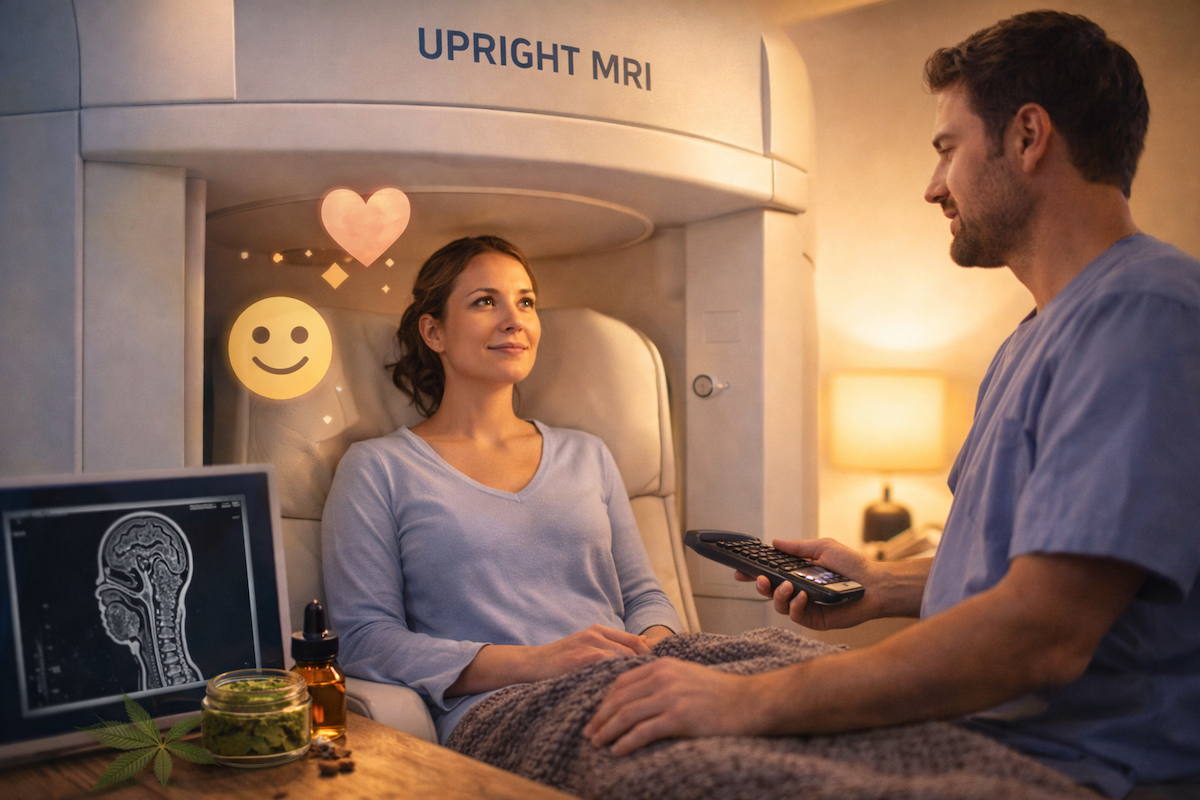
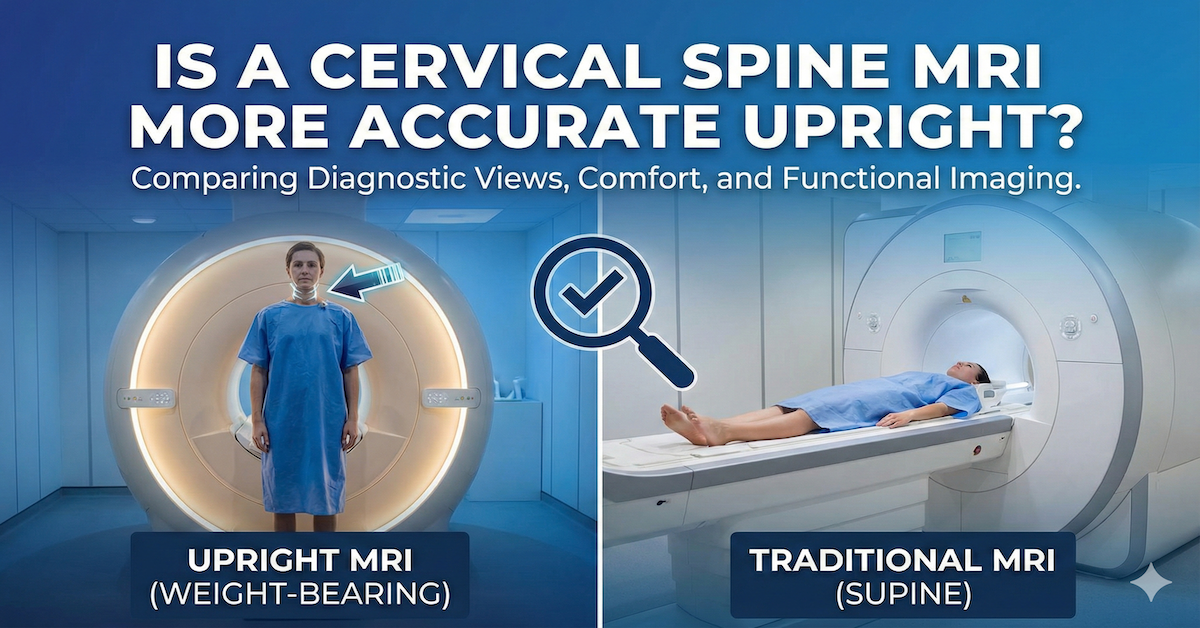
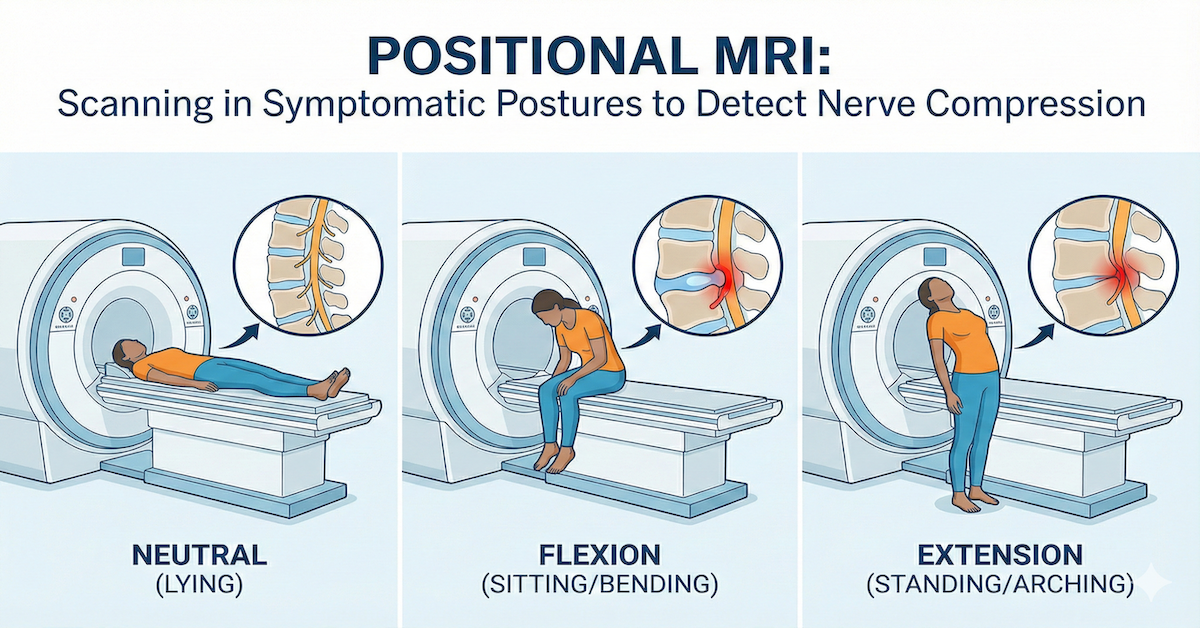
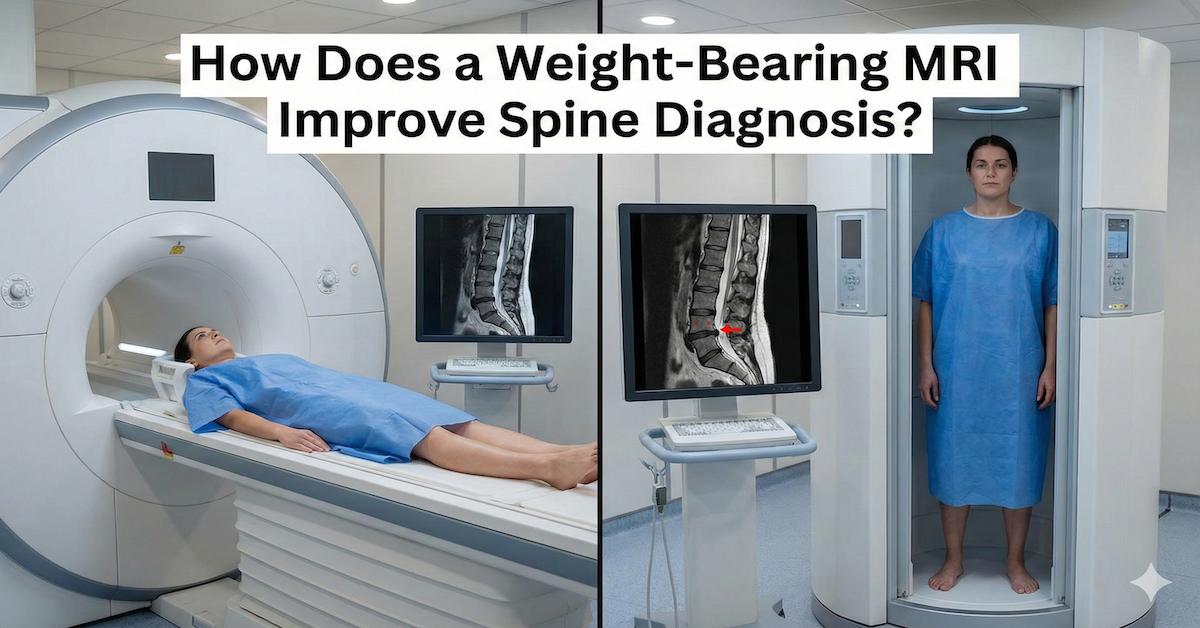
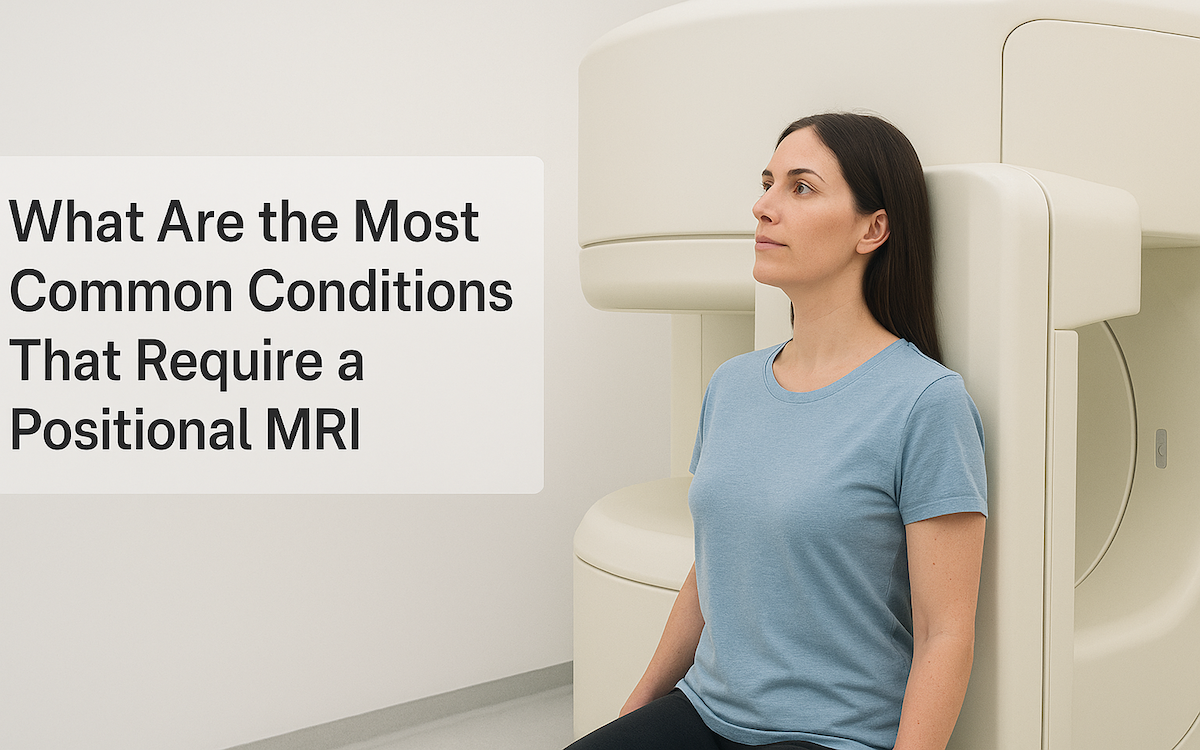
An upright MRI is a type of MRI scanner designed to allow patients to sit, stand, or lean in a natural position during the scan. Unlike traditional machines that fully enclose the patient, upright MRI systems have a more open structure.
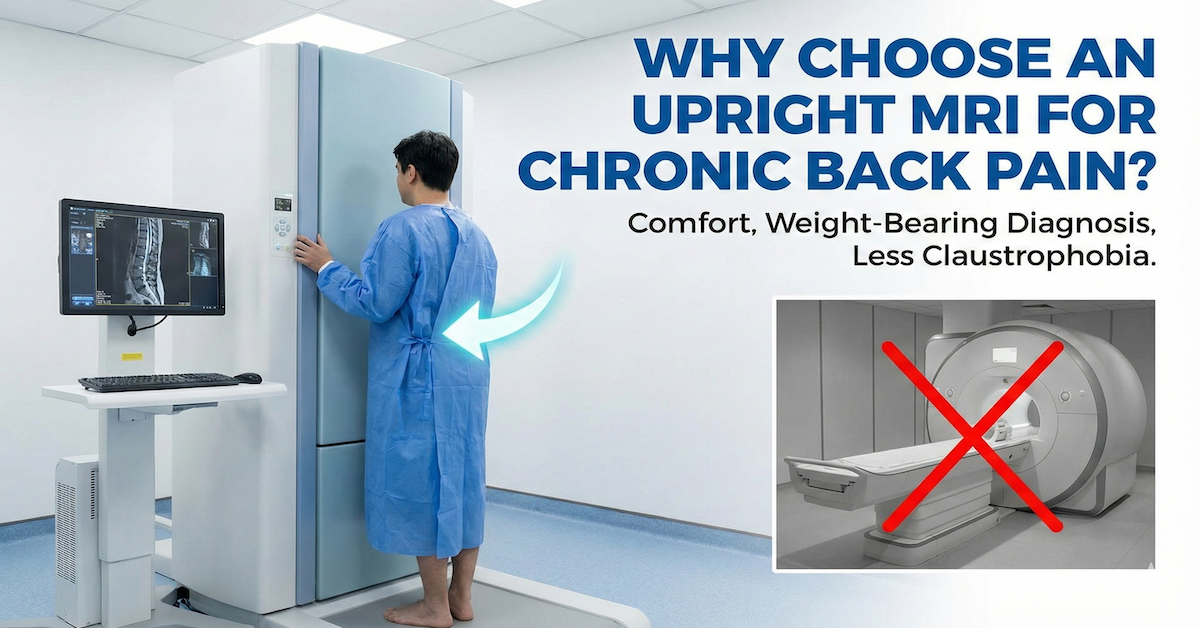
This design provides more space around the patient and reduces the feeling of being confined. Because of this open environment, upright MRI is often recommended for individuals who struggle with claustrophobia or anxiety during medical procedures.
Upright MRI machines also allow doctors to scan the body while it is in a weight bearing position. This can sometimes provide additional insight into conditions affecting the spine, joints, or posture.
How Upright MRI Helps Reduce Anxiety
One of the main advantages of upright MRI is the increased comfort it offers patients. The open design allows individuals to remain in a more natural position instead of lying flat in a narrow tube.
Patients can sit comfortably while the scan is performed, which often feels less intimidating. The ability to see the surrounding room rather than being enclosed inside a machine can help reduce stress.
Many people find that simply having more space around them helps them relax during the procedure. Feeling less restricted can make the experience easier for individuals who previously avoided MRI scans due to anxiety.
Benefits of Upright MRI for Anxious Patients
Several factors make upright MRI a more comfortable option for patients with anxiety.
More open space around the patient can reduce claustrophobic feelings.
The ability to sit or stand allows for a more natural posture.
Patients often feel less confined compared to traditional MRI machines.
The open design can help individuals remain calmer throughout the scan.
These benefits may allow patients to complete the procedure without the need for sedation.
Who May Benefit Most from Upright MRI
Upright MRI may be particularly helpful for certain groups of patients.
Individuals who experience claustrophobia often feel more comfortable in open MRI environments.
Patients with anxiety about medical procedures may find the upright position less stressful.
People who experience discomfort lying flat due to back or joint pain may also benefit from the ability to sit or stand during imaging.
For these patients, upright MRI can make the diagnostic process much easier.
FAQs
Is an upright MRI better for claustrophobic patients?
Yes, upright MRI machines provide a more open environment, which can reduce feelings of confinement and make the experience more comfortable for patients with claustrophobia.
Do upright MRI scans provide accurate results?
Yes, upright MRI machines produce high quality images that doctors use to diagnose many medical conditions.
Can I sit during an upright MRI scan?
Yes, upright MRI scanners allow patients to sit or stand during imaging depending on the area being examined.
Conclusion
MRI scans play an essential role in diagnosing and monitoring many health conditions. However, anxiety or claustrophobia can make traditional MRI machines difficult for some patients. The enclosed design and need to lie still inside a narrow tube can increase stress and discomfort.
Upright MRI technology offers a more patient friendly alternative. With its open design and flexible positioning, this imaging option can help reduce anxiety and make the scanning experience more comfortable. Many individuals who previously avoided MRI scans find upright systems much easier to tolerate.
At Upright MRI of Deerfield, we focus on providing advanced imaging with patient comfort in mind. Our upright MRI technology allows patients to experience a more open and relaxed scanning environment while still receiving accurate diagnostic imaging.
SHARE THIS POST:
Leave a Comment:

The World's Most Patient-Friendly MRI. A comfortable, stress-free, and completely reliable MRI scan. We offer patients an open, upright, standup MRI experience that helps those who are claustrophobic and stress being in a confined area. Upright MRI of Deerfield is recognized as the world leader in open MRI innovation,
Our Recent Post

READ PATIENT TESTIMONIALS
Upright MRI of Deerfield.
Susan D.,
Highland Park, 39
I am going to tell everyone about your office! This was a great experience after I panicked in other MRI machines and had to leave. Thank you so much.

Judith B.,
Milwaukee, 61
I suffer from vertigo and other MRIs do not work. This was wonderful…absolutely NO discomfort at all. The MRI was so fast…I wanted to stay and watch the movie! Mumtaz was great. His humor really put me at ease. I’ve already recommended Upright MRI to friends.
Delores P.,
Glencoe, 55
Everything is so nice and professional with your place. I have been there a couple of times. My husband and I would not go anywhere else.