Is an Open MRI Better for Claustrophobic Patients?
Many people avoid MRI scans because of anxiety, discomfort, or a fear of being inside tight spaces. Traditional MRI machines require patients to lie still inside a narrow tube, which can be overwhelming even for those who are not normally claustrophobic. The loud noises, limited space, and restricted movement often make the experience stressful, and some patients are unable to complete the scan at all.
Open MRI technology was created to solve these challenges. By offering more space, improved visibility, and greater comfort, open systems allow patients to undergo advanced imaging without feeling trapped. For those with claustrophobia or anxiety, this difference can completely change how they experience medical testing.
Quick Answer: Yes, an open MRI is usually better for claustrophobic patients because it provides greater space, open visibility, and a more comfortable atmosphere compared to a closed MRI. Many patients who cannot tolerate a traditional tube style scanner are able to complete an open MRI without anxiety, medication, or sedation. The ability to see the room, breathe freely, and move more comfortably reduces stress and creates a calmer imaging experience.
Why Traditional MRI Triggers Claustrophobia
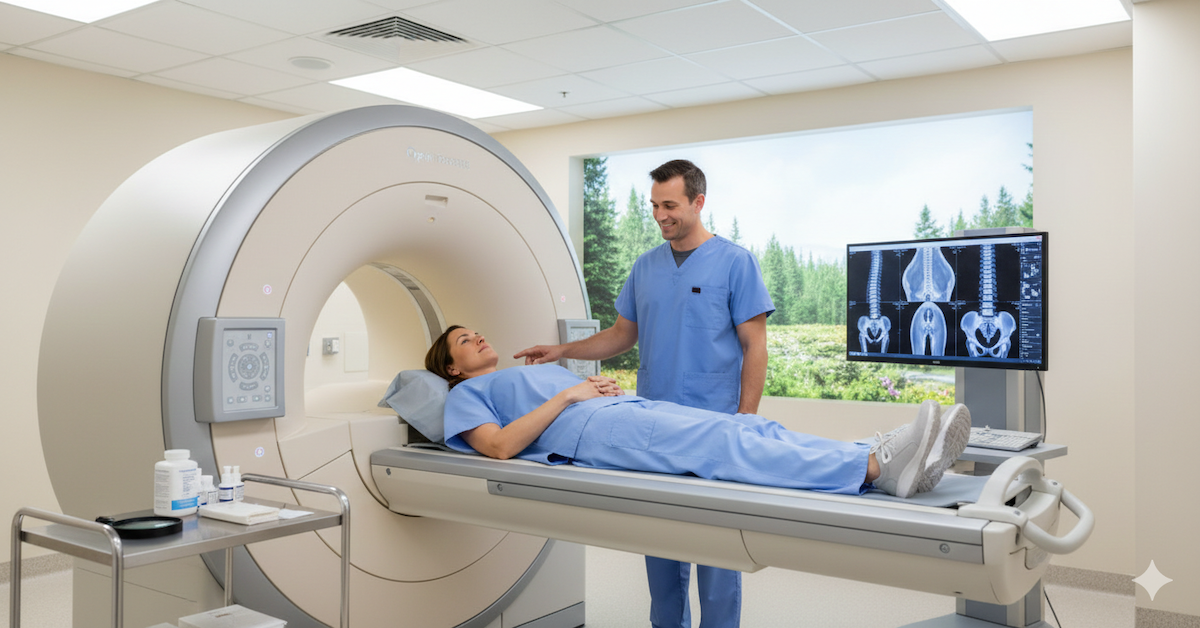
A standard MRI places the patient inside a long, closed cylinder. The walls are close to the face, there is little airflow, and the sound of the machine can be loud and unfamiliar. For many people, these elements combine into a stressful environment. Even someone who does not identify as claustrophobic may feel uneasy when placed inside a tight enclosed space for an extended period.
The lack of control also increases anxiety. Once inside the tube, patients must remain still, and the exit is behind them. This sense of confinement can trigger panic, discomfort, or restlessness. As a result, some patients end their scan early or refuse the procedure entirely.
How Open MRI Design Improves the Experience
Open MRI machines are designed to eliminate the closed in feeling. Instead of surrounding the patient on all sides, the open system leaves space around the body, creating a more relaxed atmosphere. Many open MRI setups allow natural light to enter the room, giving the patient a clear line of sight and improving the sense of openness.
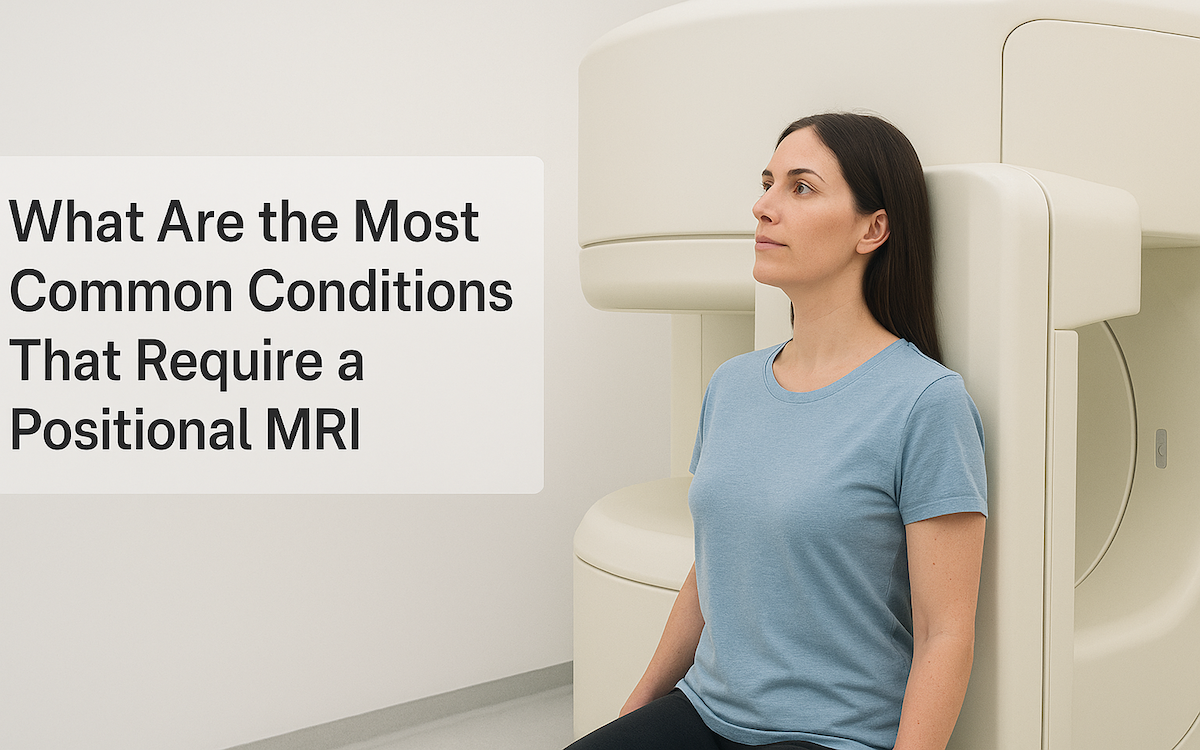
In upright or seated systems, patients are not required to lie down flat. They can sit comfortably, rest their hands where they prefer, and maintain a natural posture. The ability to see the entire room and even talk to the technologist if needed helps reduce anxiety and build confidence throughout the scan.
For many patients, these changes transform the experience. Being in an open environment allows them to stay calm and focused, making it much easier to complete the full imaging session.
The Benefits of Upright or Seated MRI
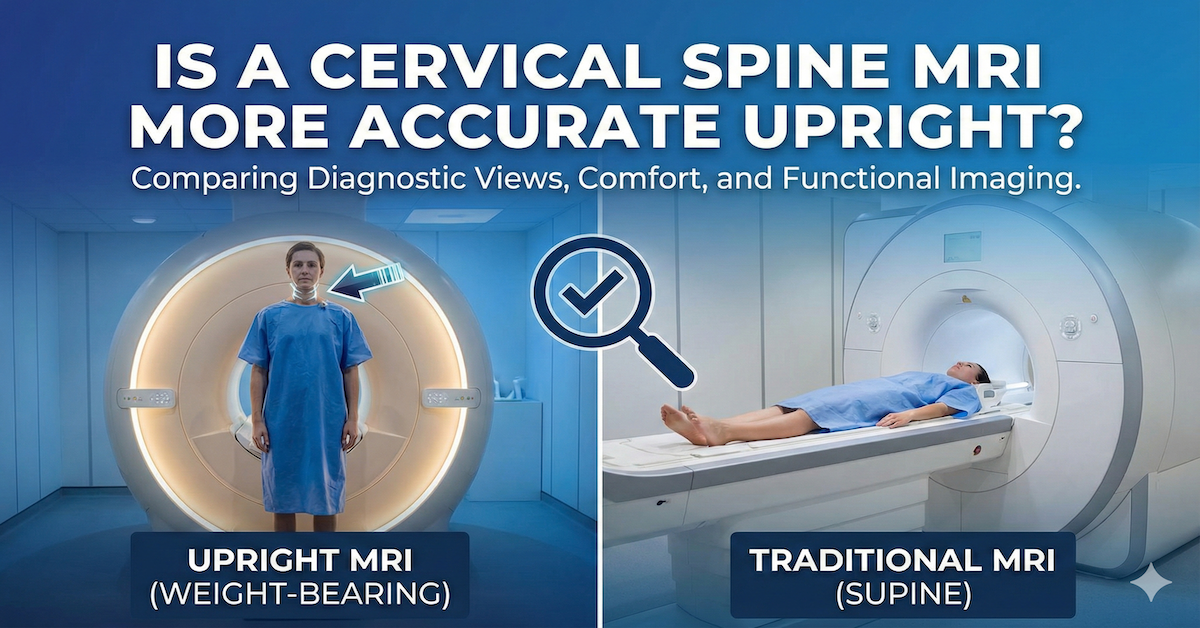
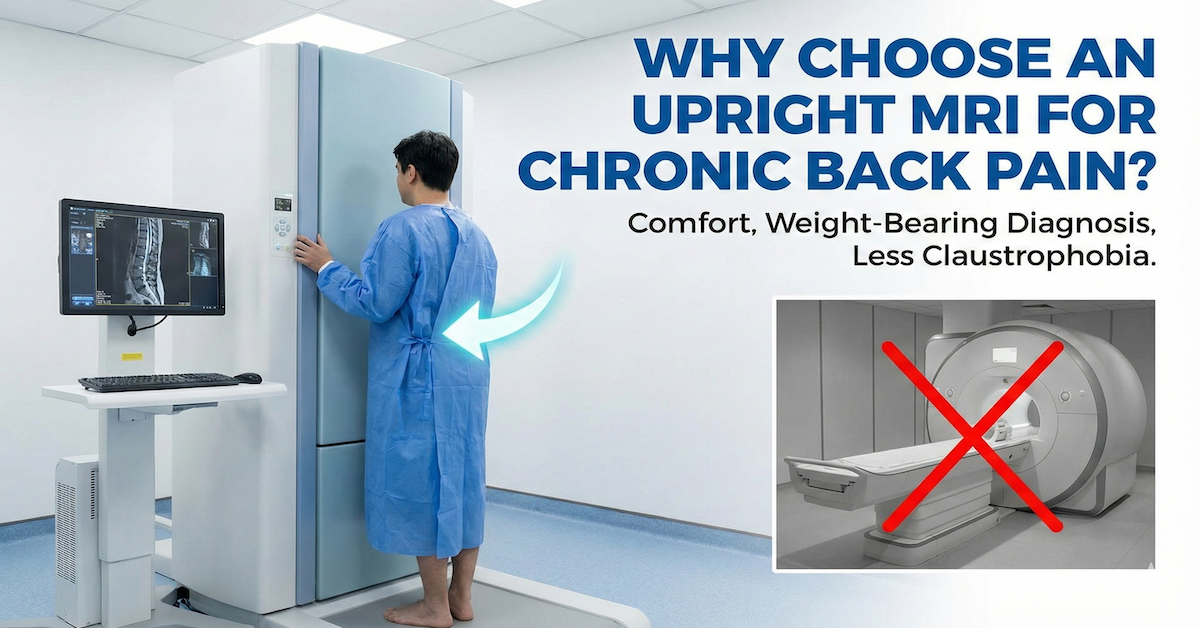
Upright MRI adds another layer of comfort for claustrophobic patients. Instead of lying on a narrow table and sliding into a tube, the patient sits or stands in a spacious, open frame structure. This positioning feels more natural and reduces the sense of confinement.
For patients with back pain, joint issues, or difficulty lying flat, upright MRI is often the only comfortable solution. Being seated helps support the spine and allows the body to remain in a position that does not increase discomfort or anxiety.
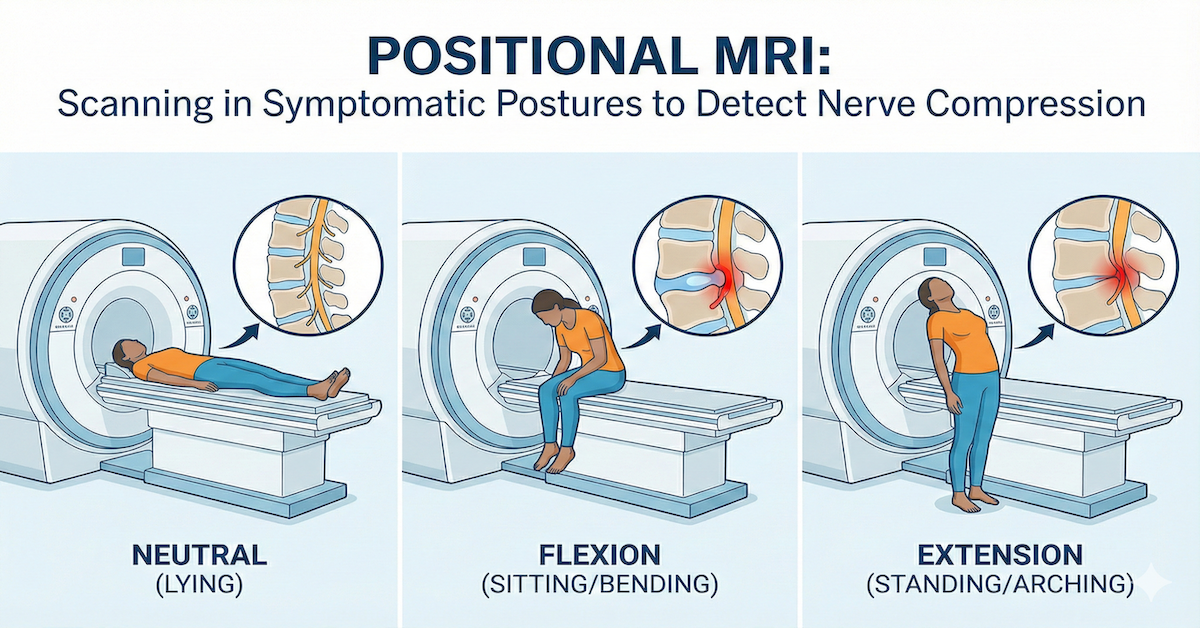
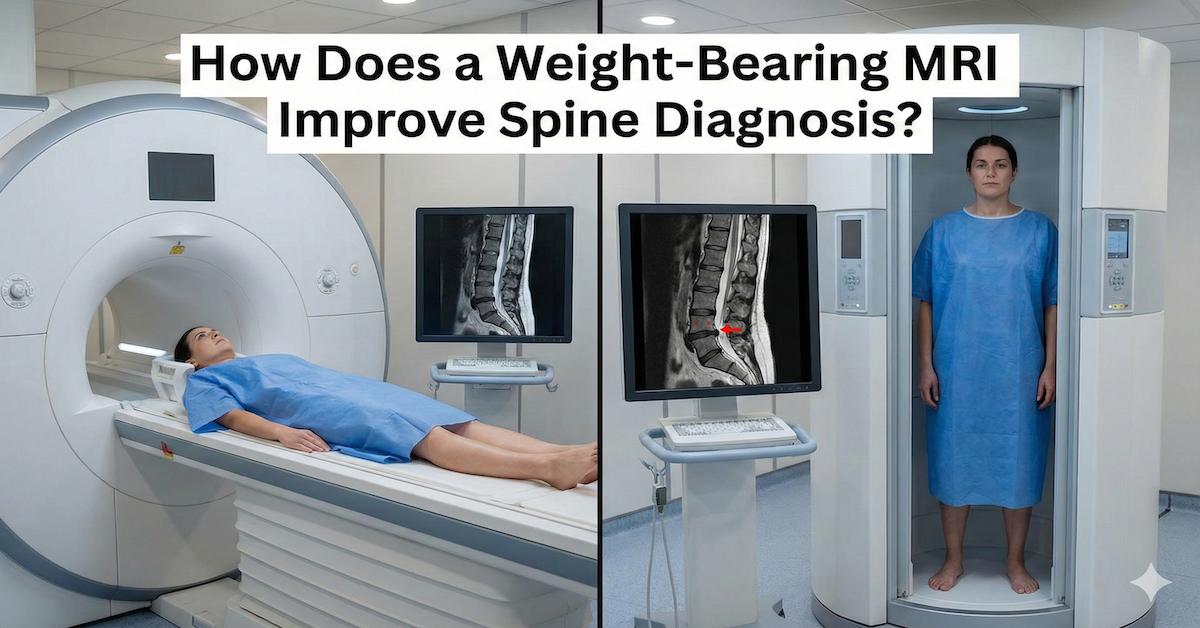
Another advantage is that upright MRI can capture images in weight bearing positions. This not only improves comfort but also helps doctors diagnose conditions that do not appear when lying down. Patients benefit from both reduced anxiety and improved diagnostic value.
Does Open MRI Produce High Quality Images?
One common question is whether open MRI offers the same clarity as traditional scanners. Modern open MRI technology has improved significantly. While older systems had limitations, today’s advanced machines provide high quality images that meet the needs of most diagnostic situations.
For conditions involving the spine, joints, ligaments, and soft tissue, open MRI offers excellent detail. Upright MRI also provides additional insights by showing how the body behaves under natural load, giving physicians information that traditional MRI cannot capture.
For most patients, especially those who cannot tolerate enclosed scanners, open MRI provides the best balance of comfort and clarity.
Who Benefits Most From Open MRI Scans
Open MRI is especially helpful for those with claustrophobia, anxiety disorders, or a history of difficulty with enclosed spaces. Children and teenagers, who may feel scared inside traditional scanners, often respond more positively to open MRI environments.
Patients with mobility limitations benefit as well. Those with conditions such as chronic back pain, arthritis, or respiratory problems may find it easier to sit comfortably rather than lie inside a tube. Pregnant patients and individuals with obesity also often prefer the open design.
For anyone who tried a traditional MRI and could not complete it, open MRI offers a more accessible and patient centered option.
Preparing for an Open MRI
Preparing for an open MRI is simple. Wearing comfortable clothing, avoiding excess jewelry, and arriving early help create a smooth experience. Patients should communicate any concerns to the technologist, who can explain what to expect and help them feel at ease.
Many people find comfort in slow breathing, light conversation, or focusing on a point in the room. Because open MRI allows visibility and space, staying relaxed is much easier than in a traditional environment.
Conclusion
An open MRI is an excellent choice for claustrophobic patients and anyone who feels uncomfortable in tight, enclosed scanners. With more space, better visibility, and a calmer environment, open MRI helps reduce anxiety and allows patients to complete their imaging without stress or sedation. The comfort and flexibility of upright systems also improve the overall experience while offering valuable diagnostic information.
Upright MRI of Deerfield specializes in open and upright MRI technology designed for patient comfort. If you want a more relaxed imaging experience without compromising quality, our open MRI options provide the clarity you need with the comfort you deserve.
SHARE THIS POST:
Leave a Comment:

The World's Most Patient-Friendly MRI. A comfortable, stress-free, and completely reliable MRI scan. We offer patients an open, upright, standup MRI experience that helps those who are claustrophobic and stress being in a confined area. Upright MRI of Deerfield is recognized as the world leader in open MRI innovation,
Our Recent Post

READ PATIENT TESTIMONIALS
Upright MRI of Deerfield.
Susan D.,
Highland Park, 39
I am going to tell everyone about your office! This was a great experience after I panicked in other MRI machines and had to leave. Thank you so much.

Judith B.,
Milwaukee, 61
I suffer from vertigo and other MRIs do not work. This was wonderful…absolutely NO discomfort at all. The MRI was so fast…I wanted to stay and watch the movie! Mumtaz was great. His humor really put me at ease. I’ve already recommended Upright MRI to friends.
Delores P.,
Glencoe, 55
Everything is so nice and professional with your place. I have been there a couple of times. My husband and I would not go anywhere else.